



Introduction to Permeable Concrete
Permeable concrete, also known as pervious or porous concrete, is a unique type of concrete that allows water to pass through it. Unlike traditional concrete, which is impermeable and often contributes to runoff and flooding, permeable concrete offers a sustainable solution for managing stormwater.
What is Permeable Concrete?
Permeable concrete is made using a mixture of coarse aggregate, cement, and water, with little to no fine aggregates. This results in a highly porous material with interconnected voids that allow water to infiltrate into the ground below. The absence of fine particles creates void spaces, typically ranging from 15% to 35% of the total volume, depending on the specific mix design.
How Does Permeable Concrete Work?
When rainwater falls on impermeable surfaces such as traditional concrete or asphalt, it collects pollutants like oil, grease, and debris before running off into storm drains and water bodies, causing pollution and flooding. In contrast, permeable concrete allows rainwater to percolate through its porous structure, filtering out contaminants and reducing the volume and velocity of runoff.
Applications of Permeable Concrete
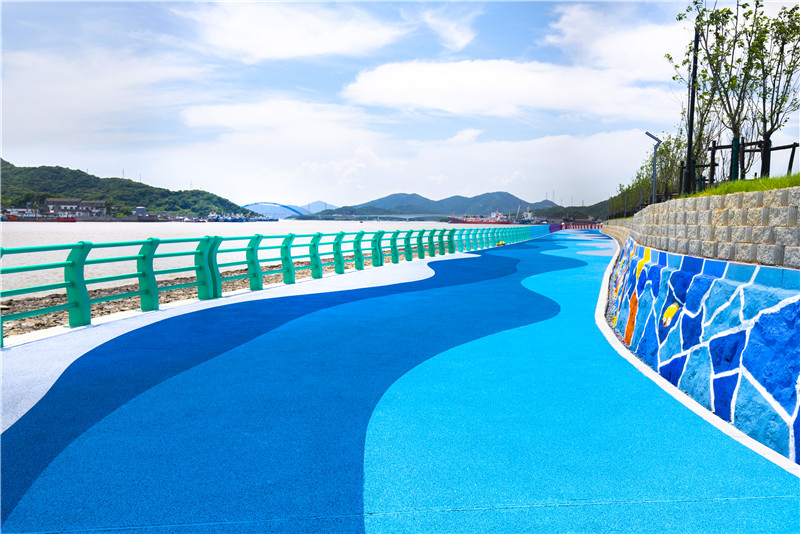
Pavements and Walkways: Permeable concrete can be used in sidewalks, driveways, parking lots, and pedestrian walkways, providing a durable and environmentally friendly surface for foot and vehicular traffic.
Stormwater Management: Permeable concrete is an effective solution for stormwater management, reducing the need for conventional drainage systems and helping to replenish groundwater reserves.
Erosion Control: By allowing water to infiltrate into the ground, permeable concrete helps to prevent soil erosion and sedimentation, particularly in areas prone to runoff.
Green Infrastructure: Incorporating permeable concrete into green infrastructure projects promotes sustainable urban development by mitigating the urban heat island effect, improving air quality, and enhancing biodiversity.
Benefits of Permeable Concrete
Stormwater Management: Permeable concrete reduces runoff and pollutant loading, helping to alleviate flooding and protect water quality.
Groundwater Recharge: By allowing water to infiltrate into the ground, permeable concrete helps to replenish groundwater reserves and sustain local ecosystems.
Durable and Low Maintenance: Despite its porous nature, permeable concrete is durable and requires minimal maintenance, making it a cost-effective solution for various applications.
Environmental Sustainability: Permeable concrete promotes environmental sustainability by reducing the heat island effect, minimizing pollution, and conserving natural resources
Conclusion
Permeable concrete offers a sustainable solution for managing stormwater and promoting environmental stewardship. Its unique properties make it suitable for a wide range of applications, from pavements and walkways to stormwater management systems and green infrastructure projects. By embracing permeable concrete, communities can mitigate the adverse impacts of urbanization and build resilient, environmentally friendly cities for the future.

