

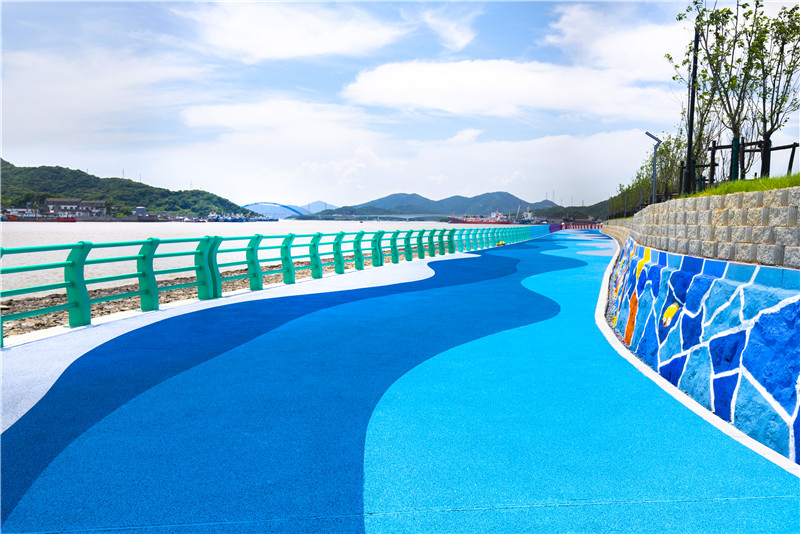


Essential Considerations for Stamped Decorative Concrete Construction
Stamped decorative concrete is a versatile and visually appealing option for enhancing outdoor spaces, offering the look of stone, brick, or wood with the durability and affordability of concrete. However, achieving high-quality results requires careful planning and execution. Here are the critical aspects to focus on during the construction process:
1. Planning and Design
Before starting the project, a thorough plan is essential. This includes selecting the appropriate pattern and color to match the desired aesthetic. Detailed layout drawings help visualize the final outcome and ensure that the design complements the surrounding environment.
2. Subgrade Preparation
A solid foundation is crucial for stamped concrete. The subgrade should be well-compacted and leveled to provide uniform support and prevent future settling or cracking. The base material, typically crushed stone or gravel, must be properly installed and compacted.
3. Mix Design
The concrete mix needs to be tailored for stamping. It should have a workable consistency that can hold the impression of the stamp without slumping. Admixtures such as plasticizers may be added to enhance workability and strength.
4. Placement and Screeding
Concrete should be placed evenly and promptly to avoid any cold joints. Screeding the concrete to the proper level ensures a flat surface, which is vital for consistent stamping. Proper screeding techniques also help eliminate excess air pockets and provide a uniform base for finishing.
5. Color Application
Applying color to stamped concrete can be done using integral color mixed into the concrete or surface-applied color hardeners. For a more complex and natural look, a combination of both methods can be used. Ensuring even color distribution is essential for a professional appearance.
6. Stamping Process
Timing is critical in the stamping process. Concrete must reach the right stage of plasticity—firm enough to hold the stamp pattern but not too hard to prevent proper imprinting. Release agents are applied to the stamps to prevent sticking. Consistent pressure and proper alignment of the stamps are key to achieving a uniform pattern.
7. Jointing and Detailing
Control joints should be planned and executed carefully to prevent random cracking. These joints can be incorporated into the pattern to blend seamlessly. Detailed work around edges and obstacles should be done with smaller, hand-held stamps or chisels for a refined finish.
8. Curing
Proper curing is vital to ensure the strength and durability of stamped concrete. Using curing compounds or moisture-retaining covers, such as plastic sheeting, helps retain moisture during the curing process, preventing cracks and surface defects.
9. Sealing
Sealing stamped concrete enhances its appearance and protects it from stains, weathering, and abrasion. A high-quality sealer should be applied once the concrete is fully cured. Regular maintenance, including resealing every few years, will keep the surface looking its best and extend its lifespan.
10. Quality Control
Throughout the construction process, regular quality control checks are necessary. This includes verifying the mix consistency, color application, stamping alignment, and curing practices. Addressing any issues promptly ensures the final product meets the desired standards.
Conclusion
Stamped decorative concrete offers a beautiful and durable solution for various applications, but achieving top-quality results requires meticulous attention to detail throughout the construction process. By focusing on these essential considerations, contractors can deliver stunning and long-lasting decorative concrete surfaces that enhance any project.

